
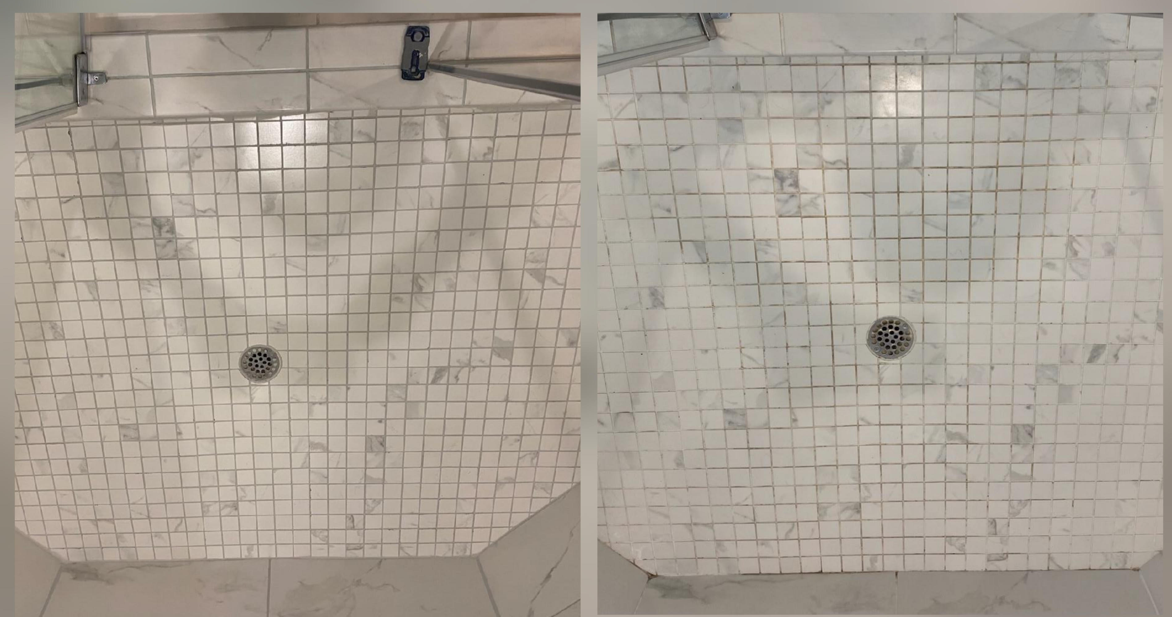
Proper bathroom maintenance is essential to preserving the safety, cleanliness, and structural integrity of your home. Bathroom caulking plays an important role in this process by sealing gaps around bathtubs, showers, sinks, and other fixtures. It helps prevent water from entering joints and reaching surrounding materials that may be vulnerable to moisture damage.
Over time, however, caulk can deteriorate due to regular water exposure, cleaning products, temperature changes, and everyday use. For homeowners in Raleigh, NC, inspecting bathroom caulking regularly can help identify potential problems before they become more extensive. Understanding when to recaulk your bathroom can help maintain sealed surfaces and protect the condition of your space.
Why Is Bathroom Caulking Important?
Caulk creates a flexible seal between surfaces that meet at joints or edges. It is commonly applied around bathtubs, shower enclosures, sinks, countertops, and plumbing fixtures.
Helps Prevent Water Intrusion
Water can enter small openings around bathroom fixtures when caulk becomes cracked, loose, or separated. Over time, moisture may affect drywall, flooring, cabinets, and other nearby materials. Proper bathroom caulking in Raleigh, NC helps reduce this risk by keeping exposed joints sealed.
Supports Bathroom Cleanliness
Damaged caulk can create gaps where moisture, soap residue, and debris collect. These areas may become difficult to clean and can contribute to mold or mildew growth. Maintaining intact caulking helps keep bathroom surfaces easier to maintain.
Helps Preserve Structural Integrity
Repeated moisture exposure can affect materials surrounding bathtubs, showers, and sinks. Damaged caulk may allow water to reach areas that are not designed for direct exposure. Maintaining properly sealed joints helps protect nearby surfaces and supports the long-term condition of the bathroom.
Maintains a Finished Appearance
Discolored, uneven, or peeling caulk can make an otherwise clean bathroom look poorly maintained. Fresh, properly applied caulk creates a neat finish around fixtures and helps maintain the appearance of the space.
Signs It Is Time to Recaulk Your Bathroom
Bathroom caulk does not last forever. Recognizing early signs of deterioration can help homeowners arrange replacement before moisture problems become more extensive.
1. Cracked or Peeling Caulk
Cracks, splits, and peeling edges are clear signs that caulk may no longer provide an effective seal. These problems commonly appear around bathtubs, shower corners, and sink edges where surfaces experience repeated movement and water exposure.
2. Mold or Mildew Along the Caulk
Dark spots or persistent discoloration may indicate mold or mildew growth. While some surface staining can be cleaned, recurring growth may suggest that moisture is collecting behind or around deteriorated caulk. In these situations, professional assessment can help determine whether replacement is necessary.
3. Gaps Between Fixtures and Surfaces
Caulk may shrink or separate from a bathtub, shower wall, or countertop over time. Even small gaps can allow water to enter areas that should remain sealed.
Common areas to inspect include:
- The edges where the bathtub meets the wall
- Shower corners and changes in wall direction
- The connection between sinks and countertops
- Areas surrounding bathroom fixtures
- Joints between tile and other bathroom surfaces
4. Soft or Damaged Surrounding Materials
If drywall, trim, flooring, or cabinetry near a caulked joint appears swollen, soft, or discolored, moisture may have reached the surrounding materials. Recaulking alone may not resolve the underlying issue, so the affected area should be assessed to identify the source of the moisture.
5. Persistent Water Leaks
Water appearing outside a shower or bathtub may indicate a failed caulk seal, but it can also point to plumbing, grout, or waterproofing problems. A proper inspection can help identify whether bathroom caulk replacement is appropriate or whether additional repairs are needed.
When Should You Recaulk a Shower?
Shower areas experience frequent direct water exposure, making their caulk susceptible to wear. Knowing when to recaulk your bathroom is important for maintaining a proper seal and protecting surrounding surfaces. The exact replacement schedule depends on the material used, installation quality, ventilation, cleaning habits, and frequency of use.
Consider arranging a shower caulk inspection when you notice:
- Cracks or visible separation along shower joints
- Peeling caulk around the shower base
- Mold or mildew that repeatedly returns
- Gaps between shower walls and the floor or base
- Water escaping from the shower enclosure
A shower with deteriorated caulk may allow water to reach areas behind the visible surfaces. Prompt assessment can help determine the extent of the problem and whether replacement or additional repairs are needed.
When Is Bathtub Caulking Replacement Necessary?
Bathtub caulking helps seal the joint between the tub and surrounding walls. This area can experience movement as the bathtub is used, which may gradually affect the seal.
Watch for Separation Around the Bathtub
If the caulk pulls away from the tub or wall, water may enter the opening during bathing or cleaning. Even a narrow gap should be assessed, especially when it appears along a frequently exposed joint.
Check for Discoloration and Deterioration
Yellowing, dark staining, cracking, and peeling can indicate that the existing caulk is aging or no longer performing as intended. If cleaning does not resolve the discoloration or the material has started to break down, replacement may be appropriate.
Consider the Condition of the Entire Joint
A small damaged section may be part of a larger problem. Inspecting the full bathtub perimeter helps determine whether the caulk has deteriorated in multiple locations and whether the surrounding surfaces remain in good condition.
What Is Involved in Professional Bathroom Caulk Replacement?
Professional bathroom caulk replacement involves more than applying a new layer over an existing seal. The condition of the joint and surrounding materials must be considered to support proper adhesion and sealing.
Inspection of Existing Caulk
The affected areas are examined for cracking, peeling, mold, gaps, and signs of moisture damage. This helps identify which joints need attention and whether additional concerns require assessment.
Removal and Surface Preparation
Deteriorated caulk must be addressed before replacement. The joint needs appropriate preparation so the new material can adhere to the intended surfaces.
Application of Suitable Caulk
The replacement material should be appropriate for the bathroom application and the surfaces being sealed. Proper application helps create an even, continuous seal around fixtures and joints.
Final Inspection
The completed work should be checked for gaps, uneven sections, and areas where the seal may be incomplete. Following the manufacturer’s curing instructions is also important before the sealed area is exposed to water.
When to Consider Professional Bathroom Caulking Services in Raleigh
Professional bathroom caulking services may be worth considering when the existing seal has deteriorated or moisture problems continue despite routine cleaning.
Homeowners in Raleigh may benefit from an assessment when:
- Caulk has separated across multiple bathroom areas.
- Water damage is visible around the bathtub or shower.
- Mold or moisture problems continue after cleaning.
- Shower joints have recurring leaks.
- The affected joints require specialized preparation.
- The source of the problem may involve plumbing or waterproofing rather than caulk alone.
A professional assessment can help determine whether bathroom caulk replacement is sufficient or whether additional work is needed to address the underlying issue.
How Raleigh Homeowners Can Maintain Bathroom Caulking
Regular maintenance can help preserve bathroom caulking and make it easier to identify deterioration early.
- Improve Bathroom Ventilation: Use an exhaust fan during showers and allow it to run afterward to reduce lingering moisture and condensation.
- Clean Sealed Areas Carefully: Use suitable cleaning products and avoid abrasive tools or harsh chemicals that may damage the caulk.
- Inspect High-Moisture Areas: Check bathtub edges, shower corners, sink connections, fixture edges, and joints where tile meets other surfaces.
- Allow New Caulk to Cure: Follow the manufacturer’s recommended curing time before using the shower or bathtub to help maintain the new seal.
Conclusion
Bathroom caulking plays an important role in protecting joints around bathtubs, showers, sinks, and other fixtures from water intrusion. Proper maintenance helps preserve bathroom cleanliness, protect surrounding materials, and support the structural integrity of the space.
Cracked, peeling, discolored, or separated caulk can indicate that replacement may be necessary. Raleigh homeowners should pay attention to these warning signs and arrange an inspection when moisture problems or recurring leaks appear. Get in Touch with Grout Guys to discuss your bathroom caulking needs and request a free estimate.
Frequently Asked Questions About Bathroom Recaulking
How often should bathroom caulk be replaced?
Bathroom caulk may need replacement every few years, depending on its quality, installation, water exposure, ventilation, and maintenance. Visible deterioration is an important indicator that an inspection may be needed.
What are the signs that shower caulk needs replacement?
Cracking, peeling, gaps, recurring mold or mildew, and separation around shower joints can indicate that the caulk needs attention.
Can damaged bathtub caulk cause water damage?
Yes. Gaps or failed seals around a bathtub can allow water to reach nearby walls, flooring, or other materials, potentially contributing to moisture damage.
Is mold on bathroom caulk a reason to replace it?
Persistent mold or mildew may indicate that the caulk has deteriorated or that moisture is collecting around the joint. An inspection can help determine whether cleaning, replacement, or additional moisture-related repairs are needed.
Why should Raleigh homeowners schedule a bathroom caulking inspection?
Regular inspections can help identify cracked seals, gaps, recurring mold, and moisture concerns before they become more extensive problems. They also help determine whether caulk replacement or additional repairs are appropriate.