
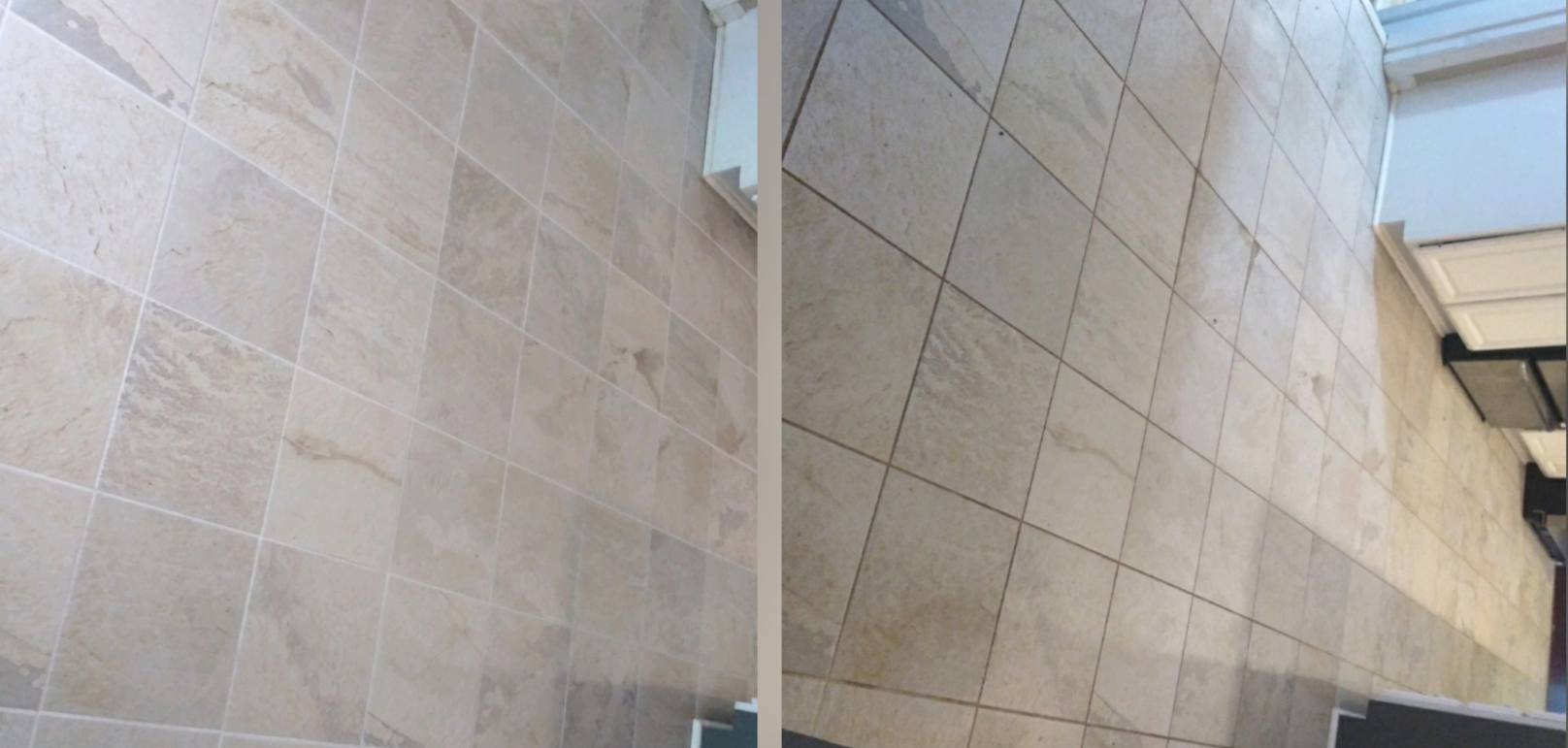
Grout plays an important role in protecting and finishing tiled surfaces throughout a home. It fills the joints between tiles, helps create a uniform appearance, and supports the overall performance of a tiled installation. Choosing the right grout is especially important in areas exposed to moisture, spills, and frequent cleaning.
For homeowners in Raleigh, NC, epoxy grout offers a durable, low-maintenance solution for kitchens, bathrooms, showers, and other tiled spaces. Its dense, non-porous composition provides excellent moisture and stain resistance while helping maintain the appearance of grout joints over time. Understanding its features, applications, and installation requirements can help homeowners decide whether epoxy grout is suitable for their property.
What Is Epoxy Grout?
Epoxy grout in Raleigh, NC is a specialized tile grout made with epoxy resins, a hardener, and colored filler powder. These components combine to create a strong, dense material that fills the joints between tiles and provides a durable finish.
Its non-porous surface is designed to resist water absorption, grease, stains, and many household chemicals. This makes epoxy grout suitable for residential and commercial spaces where moisture resistance and long-term performance are important.
Why Choose Epoxy Grout?
Epoxy grout offers several practical features that make it a suitable choice for different tile installations.
Advanced Composition
Epoxy grout contains epoxy resins, a hardener, and colored filler powder. These components work together to create a strong material that forms durable joints between tiles. Its composition supports a consistent finish and helps maintain the condition of grout lines in frequently used areas.
Excellent Moisture and Stain Resistance
One of the main benefits of epoxy grout is its ability to resist moisture and many common stains. Its non-porous surface limits the absorption of water, grease, food spills, soap residue, and other household substances.
This makes it particularly suitable for:
- Shower walls and bathroom floors
- Kitchen floors and backsplashes
- Areas surrounding sinks and countertops
- Laundry rooms and utility spaces
- High-traffic tiled areas
No Routine Sealing Required
Epoxy grout generally does not require periodic penetrating sealer applications to maintain its protective properties. Its dense composition provides built-in resistance to moisture absorption and many common stains. This can simplify routine grout maintenance for homeowners. Product-specific care instructions should still be followed to maintain the finished surface.
Long-Term Durability
When properly installed, epoxy grout creates durable joints designed to withstand regular household use. It offers resistance to shrinking, cracking, crumbling, and discoloration under suitable conditions. Its durability makes it a practical option for tiled areas that experience frequent foot traffic, cleaning, and moisture exposure.
Consistent Color and Appearance
Epoxy grout is available in a range of colors, allowing homeowners to coordinate grout lines with their tile selection and interior design. Its resistance to many common stains can help maintain a consistent appearance over time when the material is correctly installed and maintained.
Where Can Epoxy Grout Be Used?
Epoxy grout can be used in several areas of a home, depending on the tile material, joint requirements, and product specifications.
Kitchen Floors and Backsplashes
Kitchen surfaces are exposed to food spills, grease, moisture, and regular cleaning. Epoxy grout provides a suitable option for tiled backsplashes and floors because of its stain-resistant properties.
Common applications include:
- Tile backsplashes behind kitchen counters
- Tiled floors in cooking and dining areas
- Areas around sinks and countertops
- Frequently used kitchen surfaces
Bathroom Floors and Walls
Bathrooms experience regular moisture from showers, sinks, and bathing activities. Epoxy grout helps limit moisture absorption through grout joints and supports easier routine cleaning. It may be suitable for bathroom floor tiles, shower walls, and other tiled areas when the product is approved for the specific application. Professional regrouting services can also help restore worn or damaged grout joints and improve the overall condition of tiled bathroom surfaces.
Shower Areas
Shower surfaces experience frequent water contact, soap residue, and regular cleaning. Epoxy grout provides durable, stain-resistant joints between tiles.
However, proper shower waterproofing remains essential. The underlying waterproofing system must be correctly designed and installed to protect the surrounding structure.
Laundry Rooms and Utility Areas
Laundry rooms may experience detergent spills, water splashes, and frequent foot traffic. Epoxy grout can be considered for tiled floors and other suitable surfaces where resistance to staining and moisture is beneficial.
Important Factors to Consider Before Choosing Epoxy Grout
Although epoxy grout offers several advantages, homeowners should consider the specific requirements of their tile installation before selecting a product.
Tile Compatibility
Some tile materials and finishes require special consideration when epoxy grout is used. Certain porous or textured tiles may be more difficult to clean if epoxy residue remains on the surface. An installer should confirm that the selected grout is compatible with the tile material and manufacturer recommendations.
Installation Requirements
Epoxy grout sets quickly and requires careful preparation, accurate mixing, and timely cleanup. The material is generally applied in small sections to allow the installer to complete the application and cleaning process within the product’s working time.
Project Cost
Epoxy grout installation typically involves a higher upfront material and labor cost due to its specialized composition and application requirements. Homeowners should consider the project scope, selected product, tile condition, and installation needs when planning their budget.
Why Is Professional Epoxy Grout Installation Recommended in Raleigh, NC?
Professional epoxy grout installation requires experience, careful preparation, and attention to application timing. Since the material sets quickly, each stage of the process needs to be completed according to the manufacturer’s instructions.
Assessment of Existing Tile and Grout
The installer examines the tile surface, existing grout, joint condition, and any visible damage. This helps determine whether the surface is suitable for epoxy grout installation or requires additional preparation.
Proper Surface Preparation
Existing grout and debris may need to be addressed before new grout is applied. Appropriate preparation helps create clean joints and supports proper application.
Application in Small Sections
Epoxy grout is generally installed in manageable sections because of its limited working time. This allows the installer to apply the material carefully and complete the required finishing process.
Prompt Cleanup and Finishing
Cleanup is an essential part of epoxy grout installation. Any residue left on the tile surface can become difficult to remove after curing and may create a visible haze. Professional installers follow the appropriate cleaning procedures and inspect the finished joints to help achieve a consistent appearance.
How to Maintain Epoxy Grout
Although epoxy grout requires no routine sealing in most applications, regular care helps preserve its appearance and maintain clean tiled surfaces.
- Clean Spills Promptly: Remove food, grease, soap, and other residues before they accumulate on tiled surfaces.
- Use Suitable Cleaning Products: Follow the grout manufacturer’s recommendations and avoid products that may damage the tile or surrounding materials.
- Inspect Grout Joints: Check for cracks, gaps, or signs of movement that may require professional attention.
- Maintain Bathroom Ventilation: Use exhaust fans to reduce excess humidity and condensation in bathrooms.
- Address Tile Damage: Loose or cracked tiles should be assessed because movement can affect the surrounding grout joints.
Conclusion
Epoxy grout is a durable, low-maintenance option for homeowners who want moisture and stain resistance for their tiled surfaces. Its advanced composition, non-porous finish, consistent color, and long-term durability make it suitable for kitchens, bathrooms, showers, laundry rooms, and other areas of the home.
For homeowners in Raleigh, NC, professional epoxy grout installation helps ensure that the material is prepared, applied, and cleaned according to the manufacturer’s requirements. Get in Touch with Grout Guys to discuss your epoxy grout needs and request a free estimate.
Frequently Asked Questions About Bathroom Recaulking
What is epoxy grout made of?
Epoxy grout is made with epoxy resins, a hardener, and colored filler powder. These components create a dense, durable material for filling tile joints.
Does epoxy grout resist water and stains?
Yes. Its non-porous composition helps resist water absorption, grease, food spills, soap residue, and many common household stains.
Does epoxy grout require sealing?
Most epoxy grout products do not require routine penetrating sealer applications because of their low-porosity composition. Always follow the specific manufacturer’s care instructions.
Can epoxy grout be used in showers and kitchens?
Yes. Many epoxy grout products are suitable for shower walls, bathroom floors, kitchen backsplashes, and tiled floors when used according to their specifications. Proper waterproofing is still necessary in wet areas.
Why is professional epoxy grout installation recommended?
Epoxy grout sets quickly and requires accurate mixing, application in manageable sections, and prompt cleanup. Professional installation helps reduce the risk of surface haze, residue, and uneven grout joints.